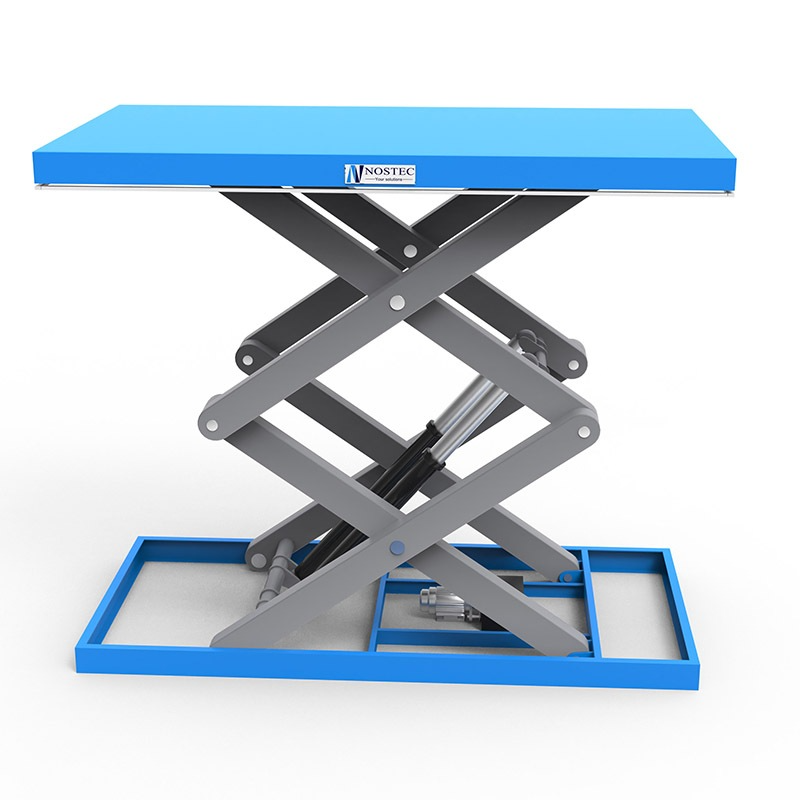
The real challenge of installing a cargo lift in a building begins after you choose the model. A cargo lift must meet local building codes and safety regulations before it can operate. Following proper guidelines protects workers, property, and equipment.
Here are the permits and codes you should know about:
Local Building Permits:
Most cities require a building permit before installing a cargo lift. The permit process reviews plans, structural support, and safety features. Officials check that the lift design meets local codes and fits the building layout. Starting with the permit process avoids legal issues and prevents potential problems during installation.
Safety Codes:
Cargo lifts must meet safety codes set by national or local authorities. These codes cover load capacity, emergency stops, guardrails, and other protective features. Following safety codes reduces the risk of accidents and injuries. Technicians usually verify that electrical and mechanical components meet these standards before the lift is used.
Fire and Emergency Regulations:
Building codes often include rules for fire safety and emergencies. Cargo lifts may need alarms, fire-rated doors, or automatic shutdown systems. These safety measures protect people and property in case of fire or power loss. Checking these regulations during planning helps make the installation process smoother and safer.
Inspections and Approvals:
After installation, inspectors review the lift to confirm it meets permits and codes. They test the lift’s movement, weight handling, and safety functions. Passing inspections allows the lift to be certified for use, giving owners confidence that the equipment is safe for daily operation and ready to support work tasks reliably.
Documentation and Record-Keeping:
Maintaining records of permits, inspections, and approvals is important. These documents show compliance with regulations and may be needed for insurance or future checks. Proper documentation helps avoid fines and provides a clear history of the lift’s installation and maintenance over time.
Professional Guidance:
Working with experienced installers or consultants helps navigate permits and codes. They know local rules, required documentation, and inspection procedures. Following their advice avoids delays, keeps the project legal, and maintains safety standards throughout the lift’s operation.
Following permits and codes for a cargo lift keeps the installation legal and safe. Observing these rules protects workers, supports smooth operation, and avoids fines while providing reliable lift service for years to come.